
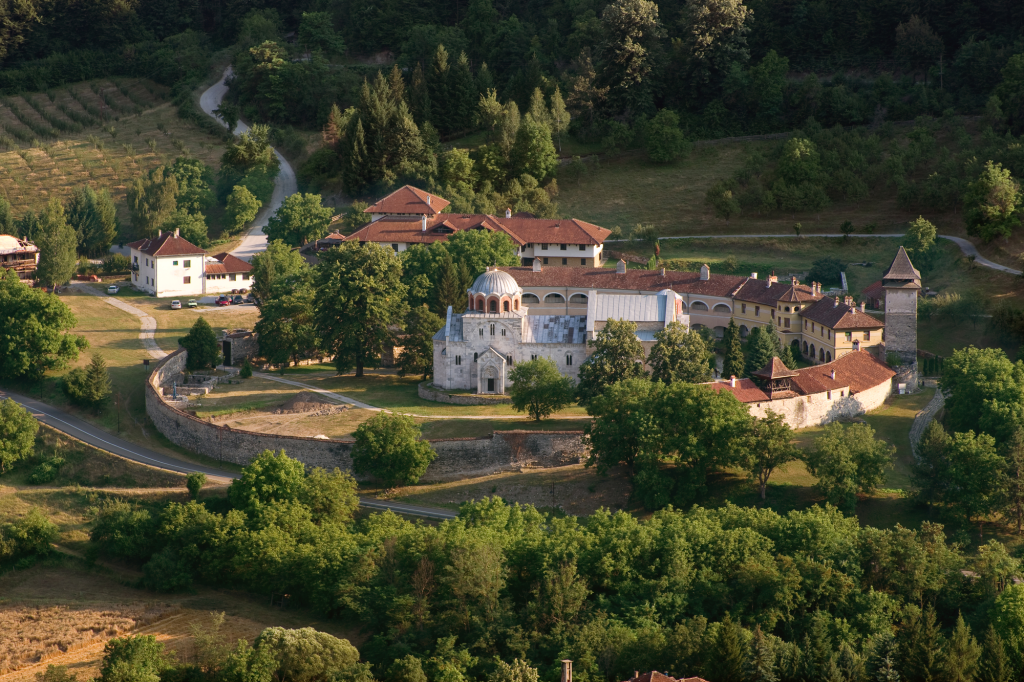
Nestled amidst the serene landscapes of Serbia, the Studenica Monastery stands as a timeless marvel, echoing the country’s rich medieval history, spiritual significance, and architectural grandeur. Revered as a UNESCO World Heritage Site, this monastery holds a revered place in the hearts of Serbians and captivates visitors from around the world with its cultural and historical significance.
Historical Origins
Founded in the 12th century by Stefan Nemanja, the Grand Prince of Serbia and founder of the Nemanjić dynasty, Studenica Monastery was established as both a spiritual center and a symbol of the burgeoning Serbian state. Its strategic location in the Ibar River Valley, amidst lush forests and pristine surroundings, added to its significance as a spiritual sanctuary.
Architectural Marvels
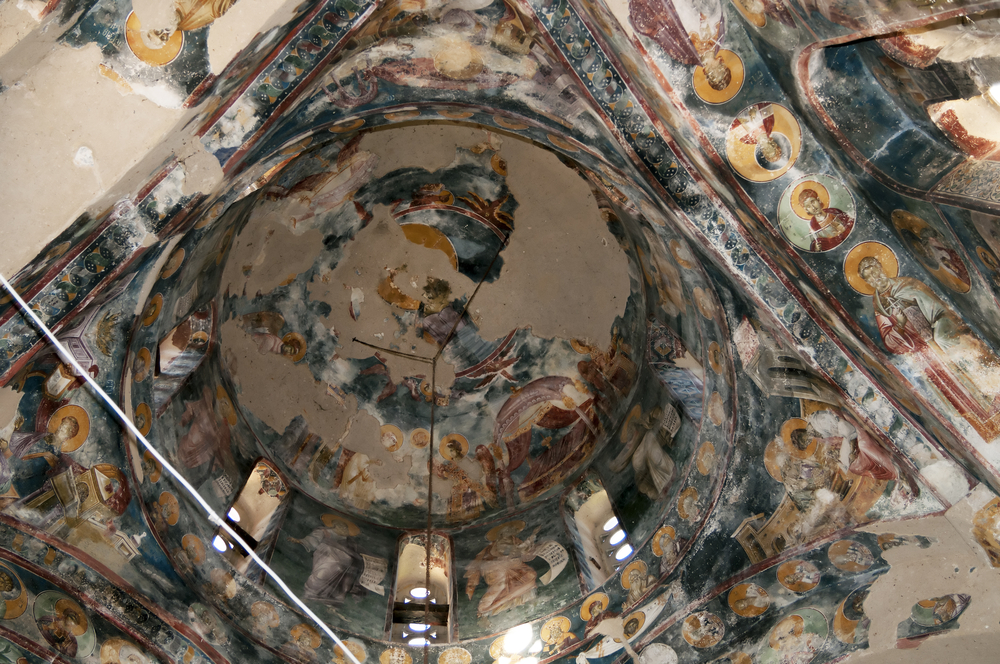
The architectural ensemble of Studenica Monastery comprises several buildings, the most prominent being the Church of the Virgin Mary, characterized by its Byzantine-style architecture. The church is adorned with stunning frescoes that narrate biblical stories, saints, and scenes from the life of Jesus Christ, painted by renowned medieval Serbian painters like Master Constantine and Master David.
The exterior of the church is clad in white marble, giving it an ethereal and majestic appearance. The intricate details of the stone-carved decorations and the rose window add to the monastery’s aesthetic allure.
Spiritual and Cultural Significance:
Studenica Monastery served not only as a center for religious worship but also as a repository of Serbian culture and learning during the Middle Ages. It played a pivotal role in preserving manuscripts, religious texts, and artistic traditions, contributing significantly to Serbia’s cultural heritage.
The monastery also served as the burial site for several members of the Nemanjić dynasty, including Stefan Nemanja, his wife Anastasia, and their sons, the Serbian kings Stefan Prvovenčani and Stefan Radoslav.
Surviving Turbulent Times
Throughout its existence, Studenica Monastery faced numerous challenges, including wars, invasions, and natural disasters. Despite these trials, the monastery has persevered, standing as a symbol of resilience and enduring faith.
Over the centuries, the monastery underwent renovations and restorations, preserving its architectural splendor and cultural significance. The enduring presence of Studenica Monastery testifies to the enduring legacy of Serbian medieval art and architecture.
Modern-Day Relevance
Today, Studenica Monastery continues to be an active religious site, attracting pilgrims, tourists, and scholars alike. Its serene ambiance, spiritual significance, and architectural beauty draw visitors seeking a glimpse into Serbia’s rich cultural and religious past.
The monastery also plays a vital role in Serbia’s cultural landscape, hosting cultural events, exhibitions, and religious ceremonies that further enrich its historical and spiritual importance.

 Magical Europe
Leave a comment